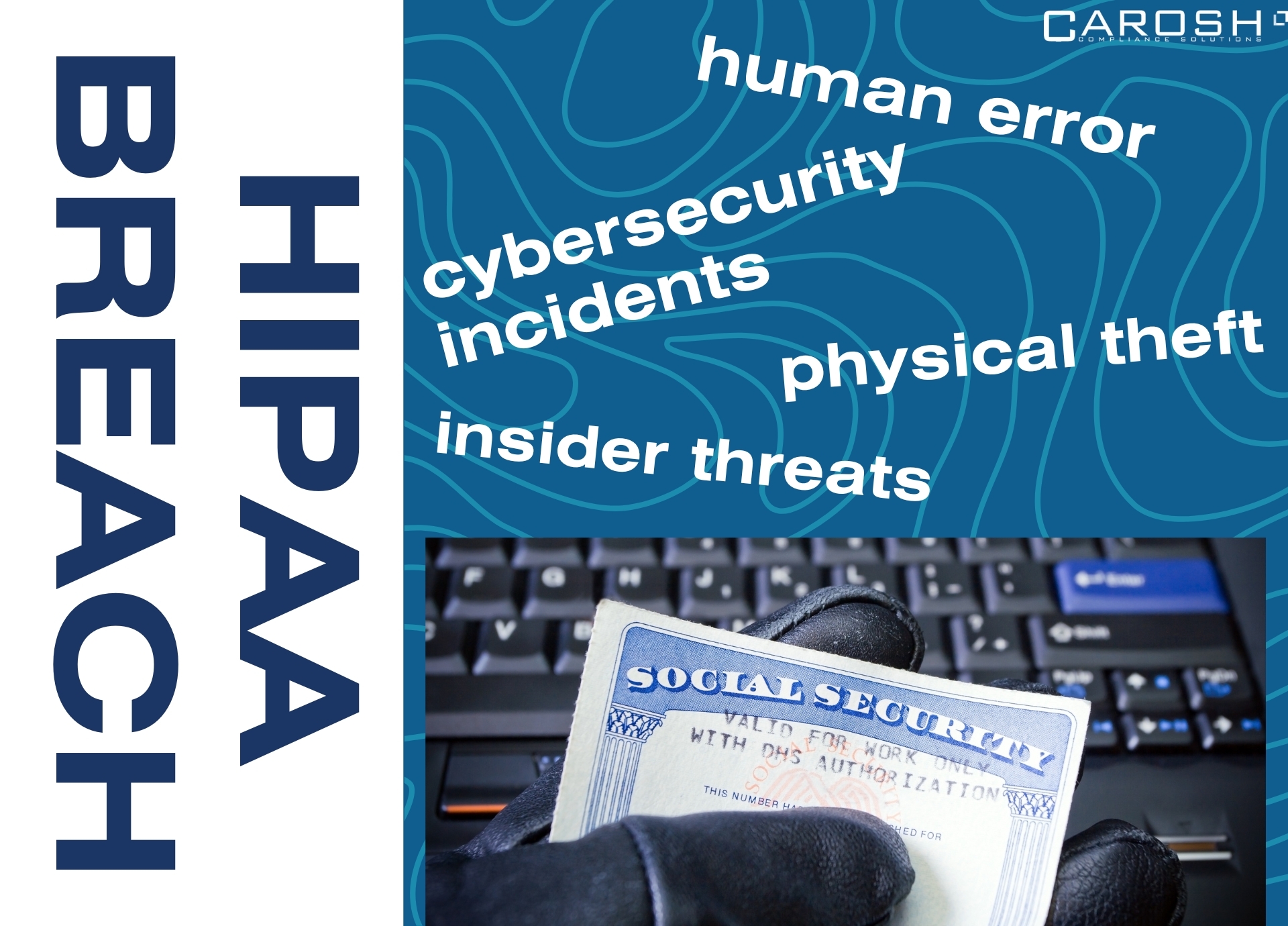
In the landscape of healthcare information management, HIPAA breaches represent a significant concern for both healthcare providers and patients. These breaches involve unauthorized access, use, disclosure, or acquisition of Protected Health Information (PHI) that compromises its security or privacy. This comprehensive overview delves into the various aspects of HIPAA breaches, including their nature, causes, reporting and response procedures, consequences, and preventative measures. Understanding the intricacies of HIPAA breaches is crucial for healthcare entities to effectively manage and safeguard patient information, adhere to legal requirements, and maintain the trust of those they serve.
Nature of HIPAA Breaches
A HIPAA breach is a critical incident in the realm of healthcare data management, defined as any unauthorized acquisition, access, use, or disclosure of Protected Health Information (PHI) that compromises its security or privacy. This definition underscores the breadth of scenarios that can constitute a breach, highlighting the importance of stringent safeguards and compliance protocols in the handling of PHI.

The types of HIPAA breaches vary widely, encompassing a range of scenarios from minor inadvertent errors to major security incidents. Accidental disclosures are common and can occur in seemingly simple actions, such as sending a patient’s health information to the wrong person, misplacing physical records, or mistakenly leaving sensitive information visible to unauthorized individuals. These incidents, while often unintentional, underscore the need for meticulous attention to detail and adherence to privacy protocols in everyday healthcare operations.
On the more severe end of the spectrum are breaches resulting from malicious activities, such as cyberattacks. These can include sophisticated hacking attempts aimed at accessing electronic health records, phishing schemes designed to trick healthcare employees into disclosing login information, or ransomware attacks that lock healthcare providers out of vital systems and data. The theft of PHI through such cyberattacks not only compromises patient privacy but also threatens the integrity of healthcare operations, often leading to significant legal and financial repercussions.
A common element in many breaches is the involvement of ‘unsecured PHI‘. This term refers to PHI that has not been adequately protected, typically through technological means such as encryption. Unsecured PHI is vulnerable to unauthorized access and is a key target in cyberattacks. Encryption serves as a critical safeguard, rendering PHI unreadable and unusable in the event of unauthorized access. However, if PHI is left unencrypted, it becomes susceptible to breaches, potentially exposing sensitive patient information and leading to a violation of HIPAA regulations.
This emphasis on the various types and nature of HIPAA breaches highlights the multifaceted challenges involved in protecting PHI. It underscores the need for comprehensive security measures, regular employee training, and a proactive approach to safeguarding patient information in the healthcare industry. In essence, understanding the definition and range of HIPAA breaches is crucial for healthcare providers and organizations to effectively prevent, detect, and respond to incidents that threaten patient privacy and the security of health information.
Causes of Breaches
Human error remains a significant contributor to HIPAA breaches, encompassing a range of unintentional actions that lead to the exposure of Protected Health Information (PHI). These errors often include accidental disclosures, such as mistakenly sending PHI to the wrong recipient, misfiling paperwork, or inadvertently discussing patient information in a public or unsecured area. Additionally, human error can manifest in the loss or theft of devices containing PHI, like smartphones, laptops, or tablets, especially if they are not adequately secured. Improper disposal of PHI, such as discarding patient records in regular trash bins or failing to shred documents, also falls under this category. These incidents, largely preventable with proper training and awareness, highlight the need for constant vigilance and adherence to protocols when handling patient information.

Cybersecurity incidents represent a growing and increasingly sophisticated threat to the confidentiality and security of PHI. Phishing attacks, where employees are tricked into providing login credentials or other sensitive information, can lead to unauthorized access to healthcare systems. Malware and ransomware attacks can cripple healthcare operations, with hackers gaining control of systems and encrypting data, including PHI. Hacking incidents, where external actors exploit vulnerabilities in healthcare systems, can result in large-scale breaches of patient data. These cybersecurity threats require robust and evolving IT security measures, continuous monitoring, and employee training to recognize and respond to potential cyber threats.
Insider threats are another critical area of concern in HIPAA breaches. These incidents involve employees or individuals within the organization who misuse or access PHI without proper authorization. Such breaches can be motivated by various factors, including curiosity, malice, or financial gain. Insider threats are particularly challenging to manage as they involve individuals with legitimate access to PHI, making it imperative to have stringent access controls, regular audits, and a culture of privacy and security within the organization.
Physical theft of PHI is a persistent issue, particularly concerning the theft of physical records, hard drives, laptops, or other devices containing PHI. This type of breach can occur in various settings, such as offices, hospitals, or during transit. Ensuring physical security measures, like secure storage areas, and implementing policies for transporting PHI securely are crucial to mitigating this risk.
In summary, HIPAA breaches can arise from a myriad of sources, from human error and cybersecurity incidents to insider threats and physical theft. Each of these areas presents unique challenges and necessitates a comprehensive approach to prevent, detect, and manage breaches effectively. This approach includes ongoing employee education, robust IT security measures, stringent access controls, and physical security protocols, all of which are essential in protecting the privacy and security of PHI.
Reporting and Response Procedures
The detection and initial response to a HIPAA breach are critical steps in managing such incidents effectively. Prompt detection allows for quick action, which is essential in containing the breach to prevent further unauthorized access or disclosure of Protected Health Information (PHI). The initial response often involves immediate measures to secure the breached information and systems, assess the scope and impact of the breach, and initiate the process for a more comprehensive response.
Once a breach is detected, covered entities are required to perform a thorough risk assessment. This assessment is a detailed process aimed at understanding the nature and extent of the PHI involved in the breach. The assessment includes identifying to whom the PHI may have been disclosed and evaluating the likelihood and potential impact of the information being compromised. This step is crucial for determining the severity of the breach and for guiding the subsequent steps in the response process.
Notification requirements form a significant component of the response to a HIPAA breach. Under HIPAA regulations, covered entities are mandated to notify affected individuals, the Secretary of Health and Human Services (HHS), and in some cases, the media, about the breach. The content of these notifications is critical; it must include a clear description of the breach, the types of information involved, recommended steps for individuals to protect themselves from potential harm resulting from the breach, and an outline of the actions the covered entity is taking in response to the breach. These notifications serve not only as a compliance requirement but also as an important step in maintaining transparency and trust with patients and the public.
The timelines for these notifications are strictly regulated. Covered entities must ensure that notifications are made without unreasonable delay and in no event later than 60 days following the discovery of the breach. Adhering to these timelines is crucial for complying with HIPAA regulations and for ensuring that affected individuals receive timely information to safeguard themselves against potential consequences of the breach.
In essence, the process of detecting, assessing, notifying, and responding to HIPAA breaches is a multifaceted and time-sensitive operation. It requires covered entities to have effective detection mechanisms, conduct thorough risk assessments, and follow stringent notification procedures, all of which are integral to managing PHI breaches responsibly and in accordance with HIPAA requirements.
Consequences of HIPAA Breaches
In the event of a HIPAA breach, prompt detection and an immediate response are crucial steps in effectively managing the situation. The initial response typically involves immediate actions to contain the breach and prevent any further unauthorized access or disclosure of Protected Health Information (PHI). This rapid response is essential to mitigate the effects of the breach and to limit the potential damage.
Once the breach has been contained, covered entities are required to perform a comprehensive risk assessment. This assessment is a critical process that involves determining the nature and extent of the PHI involved in the breach. It also includes identifying the individuals or entities to whom the PHI may have been disclosed and assessing the likelihood and potential impact of the information being compromised. The goal of this risk assessment is to understand the severity of the breach and to inform the necessary steps to address it.
Notification requirements form a significant part of the response to a HIPAA breach. Under HIPAA regulations, covered entities must notify all affected individuals, the Secretary of Health and Human Services (HHS), and in some cases, the media about the breach. These notifications are vital for maintaining transparency and trust and must include detailed information. They should provide a clear description of the breach, outline the types of PHI involved, suggest steps that individuals can take to protect themselves from potential harm, and detail the actions that the covered entity is undertaking in response to the breach.
Adhering to specific timelines for these notifications is critically important. Covered entities are required to make these notifications without unreasonable delay and no later than 60 days following the discovery of the breach. This timely communication is not only a compliance requirement but also an essential element in helping affected individuals and the public understand the breach and take any necessary protective actions.
Overall, the process of detecting, assessing, and responding to HIPAA breaches requires covered entities to act swiftly and responsibly. Effective breach management includes rapid containment, thorough risk assessment, and timely notification to all affected parties. These steps are essential for complying with HIPAA regulations, addressing the breach effectively, and maintaining trust and credibility with patients and the public.
Preventative Measures
Employee training is a cornerstone of HIPAA compliance, emphasizing the necessity for regular and comprehensive training for all employees who handle or have access to Protected Health Information (PHI). This training ensures that employees are aware of the HIPAA regulations and understand their individual roles and responsibilities in maintaining patient privacy and data security. Regular training sessions help in keeping the staff updated on any changes in HIPAA regulations and best practices in PHI handling.
Implementing robust security measures is another critical aspect of maintaining HIPAA compliance. Strong security measures include the use of encryption to protect PHI, particularly data that is stored electronically or transmitted over networks. Encryption ensures that even if data is intercepted or accessed without authorization, it remains unreadable and secure. Secure access controls are also vital, involving the use of strong passwords, multi-factor authentication, and access logs to ensure that only authorized personnel can access sensitive patient information.
Regular risk assessments play a pivotal role in identifying and mitigating vulnerabilities that could lead to a breach of PHI. These assessments involve a thorough examination of all systems, processes, and controls related to PHI handling. By regularly conducting these assessments, healthcare organizations can proactively identify potential security gaps and implement measures to address them before they are exploited.

Developing and enforcing robust policies and procedures for handling PHI is essential for HIPAA compliance. These policies and procedures provide a framework for how PHI should be accessed, used, stored, and disclosed, ensuring that all actions are in line with HIPAA regulations. They also serve as a reference point for employees, guiding them in their daily interactions with PHI and helping to standardize practices across the organization. Effective policies and procedures are regularly reviewed and updated to reflect changes in regulations, technologies, and organizational practices.
In summary, maintaining HIPAA compliance involves a multi-faceted approach that includes regular employee training, robust security measures, ongoing risk assessments, and well-developed policies and procedures. These components work together to ensure the secure handling of PHI, safeguarding patient privacy, and upholding the trust that is essential in healthcare.
HIPAA breaches are complex events that require careful attention and a proactive approach from healthcare entities. The implications of such breaches extend beyond legal compliance, encompassing financial penalties, reputational damage, and the potential for civil lawsuits. Effective management of these breaches involves prompt detection, thorough risk assessment, timely notification, and implementing corrective action plans. Moreover, preventative measures such as regular employee training, robust security practices, and continuous risk assessments are essential to mitigate the risk of breaches. Ultimately, a comprehensive understanding and diligent management of HIPAA breaches are imperative for maintaining the integrity of patient information and upholding the trust inherent in the healthcare system.
Q&A
Q: What is the importance of regular employee training in HIPAA compliance?
A: Regular employee training is crucial in ensuring that all staff members understand HIPAA regulations and their specific roles in protecting patient privacy and PHI. This training keeps employees updated on regulatory changes and best practices, which is essential for maintaining ongoing compliance.
Q: How do robust security measures support HIPAA compliance?
A: Robust security measures, such as encryption and secure access controls, are vital for protecting PHI from unauthorized access or breaches. Encryption ensures that even if data is intercepted, it remains unreadable, while secure access controls prevent unauthorized personnel from accessing sensitive information.
Q: Why are regular risk assessments necessary for HIPAA compliance?
A: Regular risk assessments help identify potential vulnerabilities in the handling of PHI. By proactively uncovering and addressing these security gaps, healthcare organizations can prevent potential breaches and ensure the ongoing protection of PHI.
Q: What role do policies and procedures play in HIPAA compliance?
A: Well-developed policies and procedures provide a clear framework for handling PHI, ensuring all actions comply with HIPAA regulations. They standardize practices across the organization and serve as a reference for employees, aiding in consistent and secure handling of patient information.